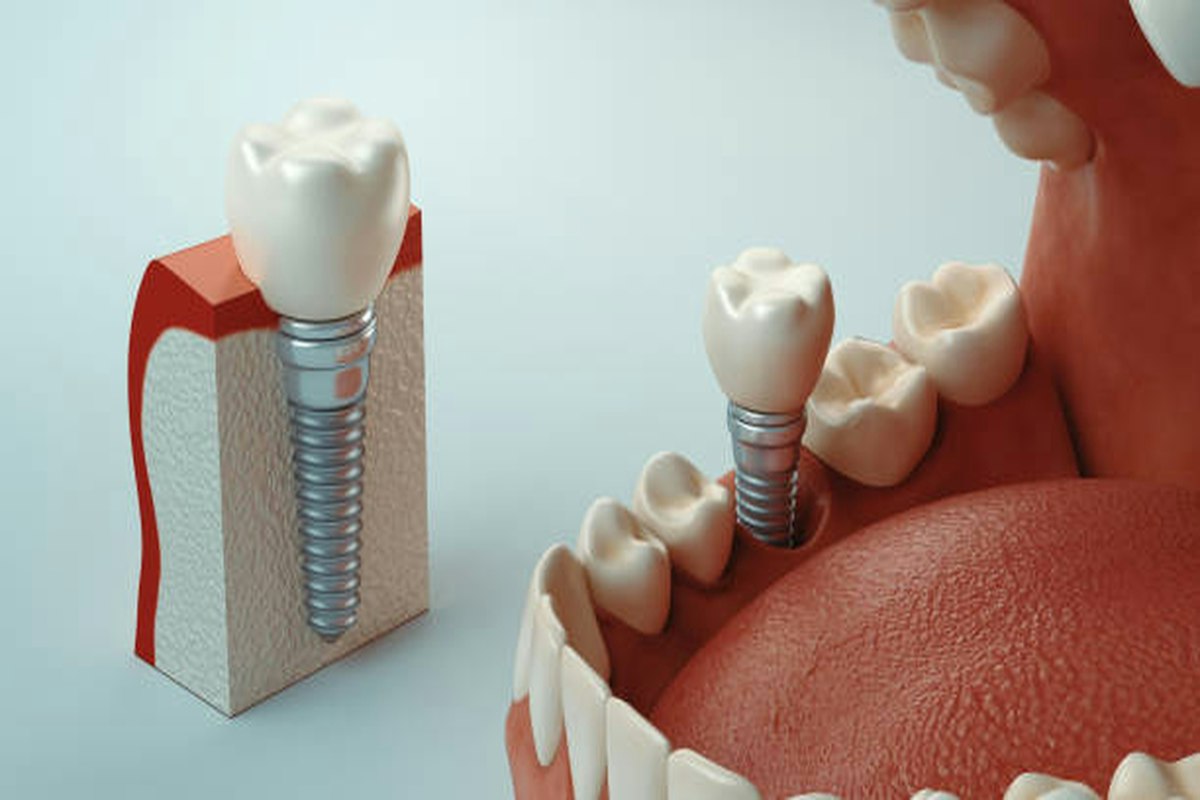
Three ways to fill a gap
When a tooth is lost, the usual options are an implant, a bridge or a denture. Each has a different process, a different timeline and a different kind of upkeep, and the right one depends on the bone, the neighbouring teeth, your health and what you want.
An implant is a post placed in the jawbone, which heals before a crown is fitted on top. A bridge leans on the teeth beside the gap. A denture is removable, and can replace a few teeth or a whole arch.
What this page covers
- How an implant is placed, and the healing time before the crown
- Bone grafts, and why some people need one first
- Fixed bridges and the teeth they rely on
- Partial and full dentures, and getting used to them
- Leaving a gap, and what can happen to the teeth around it
- Questions that help you compare the three
Comparing the options
Ask for each option to be explained for your own mouth: how many visits, how long until it is finished, how it is cleaned and how long it is expected to serve. Asking for the plan in writing makes the options easier to compare at home.
A question worth asking: “Can you walk me through each option for this gap, including doing nothing?”
Common questions
Not always. Bone, gum health, smoking and some medical conditions all play a part. A dentist will usually assess those first.
It varies. Speaking and eating often feel strange at first, and adjustments in the early weeks are normal.
Sometimes that is reasonable. Over time, neighbouring teeth can drift or tip into the space, so ask what leaving it would mean for you.
This page is general information. It is not a diagnosis or advice about your own teeth; ask a licensed dentist who has examined you.